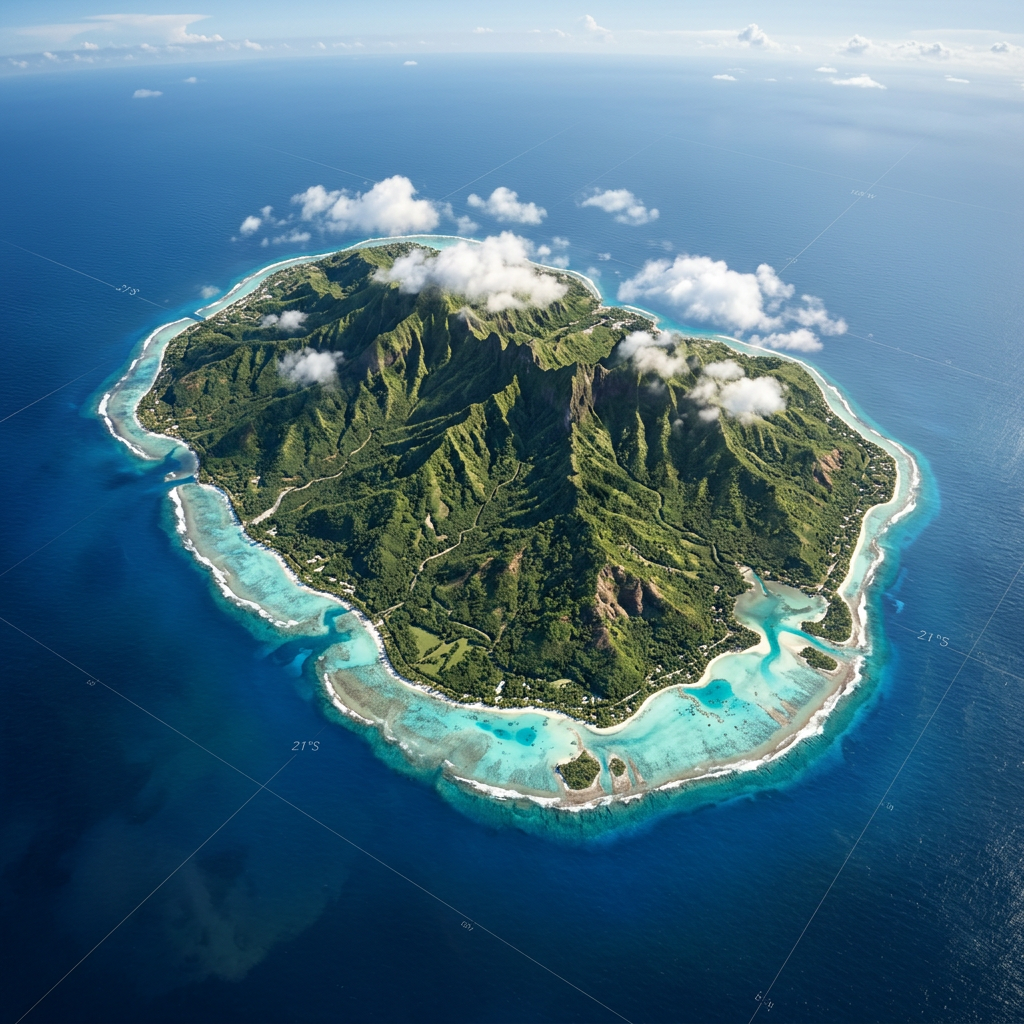
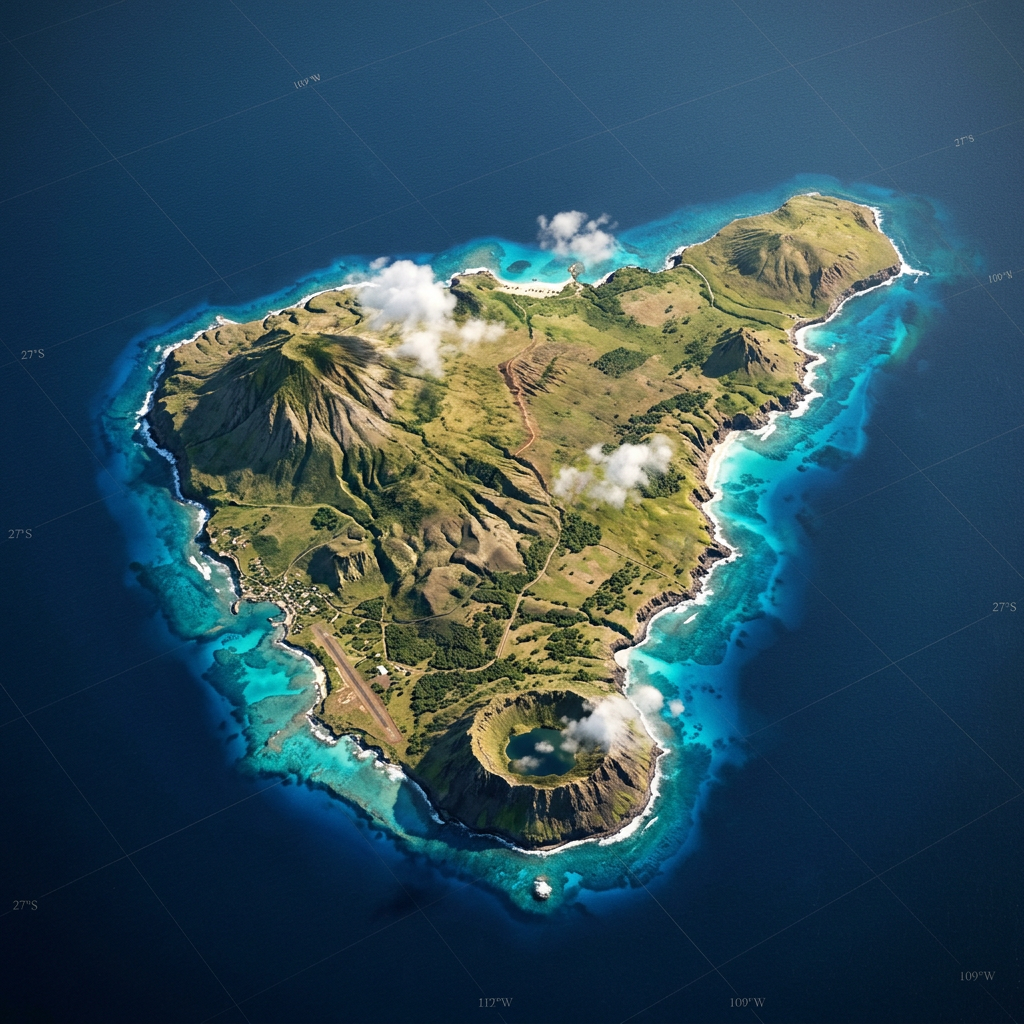
Heiva I Miami is deeply inspired by the islands of Tahiti, but its meaning reaches far beyond any single place. Rooted in the Tahitian word Heiva, meaning “Celebration of Life,” our festival honors the heartbeat of all Polynesian cultures.
This celebration brings together communities and islands from across the Pacific—Hawai‘i, Tahiti, Samoa, Fiji, Tonga, the Cook Islands, Aotearoa, Rapa Nui and more—uniting traditions, stories, and vibrant cultural expressions under one shared spirit.
Heiva I Miami is more than an event; it’s a living bridge uniting people, preserving heritage, and showcasing the beauty of Polynesia to the world.
Below, enjoy fun and fascinating facts about the islands that inspire all we do.
Interested in Becoming an Ambassador?
We’d love to have passionate members of our community join us in representing and uplifting Polynesian culture at Heiva I Miami on April 18 and 19, 2026.
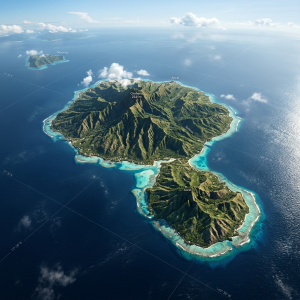
Tahiti is known for lagoon culture, Tahitian dance, and foods like poisson cru (raw fish with coconut milk). Additional foods include poe, fāfaru, and ma’a Tahiti; dances include ’aparima and hivinau. Tahiti is also famous for Polynesian tattoo traditions and black pearls. Surfing and outrigger canoe racing are major sports.
Hawai'i
Hello: Aloha
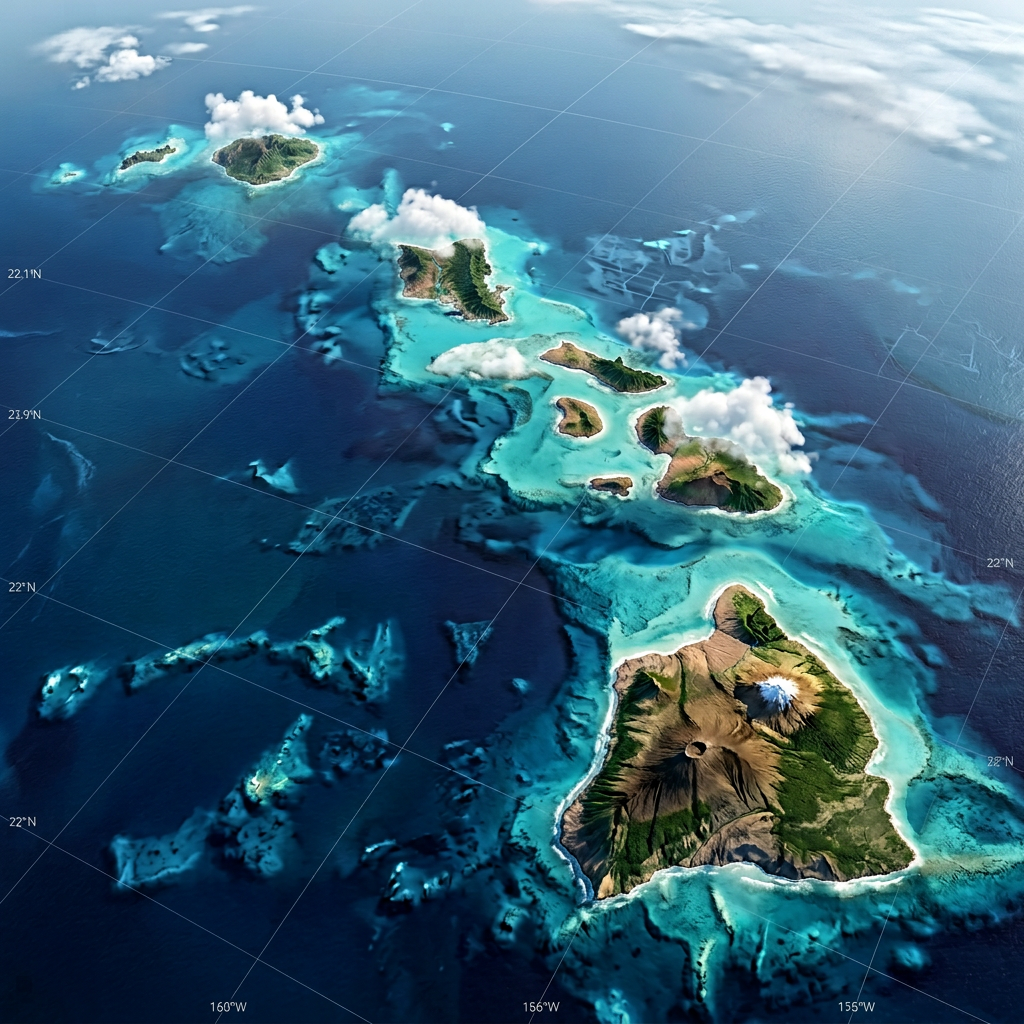
Hawai‘i blends native traditions like hula with foods such as poke and kalua pork. Other favorites include lau lau, haupia, and saimin; dances include hula kahiko and hula ‘auana. Hawai‘i is also known for the origins of surfing and world‑class volcanoes like Mauna Kea. Surfing remains the state’s signature sport.
Tonga
Hello: Mālō e lelei
Tonga is rich in tradition, tapa cloth making, and dishes like lu pulu. Other foods include keke ‘isite and ota ‘ika; dances include tau‘olunga, me‘etu‘upaki, and sipa. Tonga is unique as the only Pacific nation never colonized, with a monarchy over a thousand years old. Rugby is the country’s most important sport.
Samoa
Hello: Talofa
Samoa celebrates fa’a Samoa, fire dancing, and umu (earth oven) cooking with dishes like oka. Other Samoan favorites include fa’apapa, panikeke, and supasui; dances include siva Samoa, sasa, and siva afi (fire knife dance). Samoa is also known for its traditional tattoo culture (pe‘a and malu) and being one of the first places to greet each new day. Rugby and volleyball are widely played.
Fiji
Hello: Bula
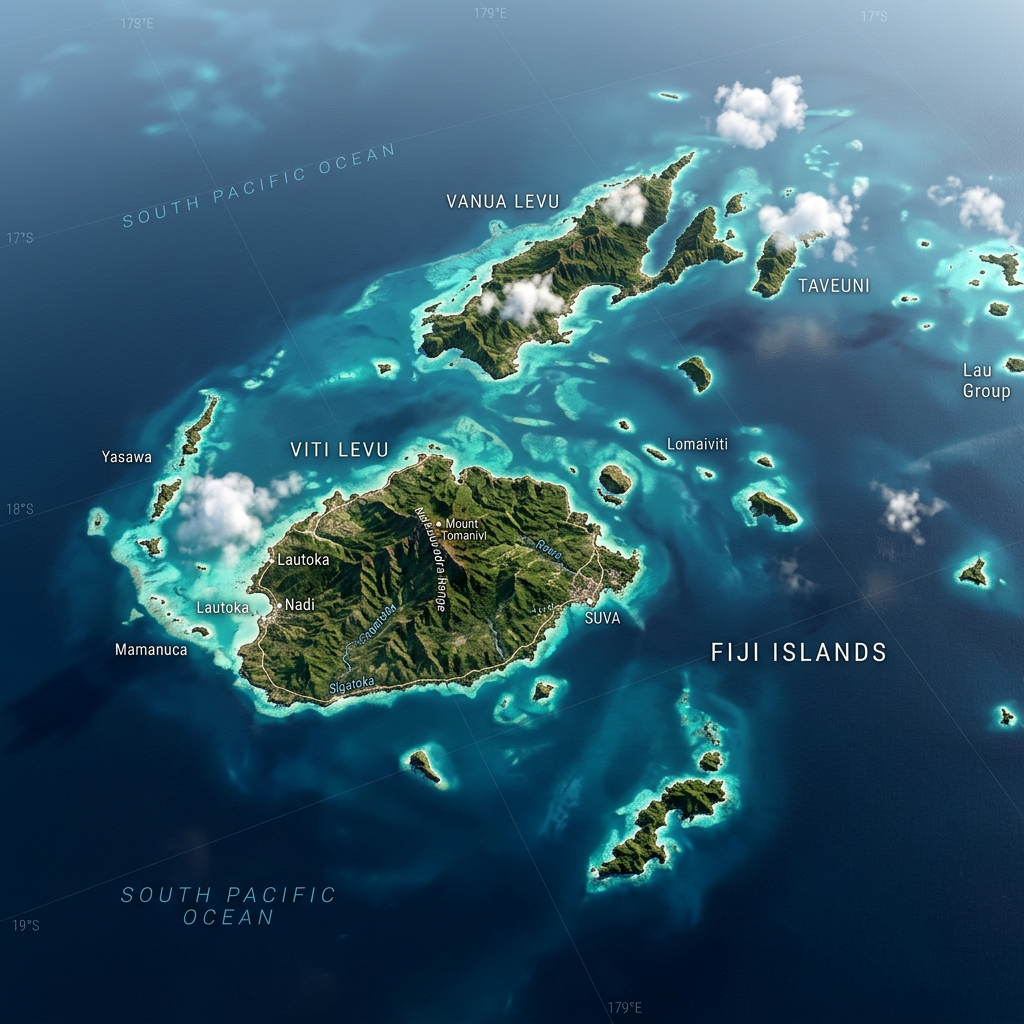
Fiji is known for meke dance, kava ceremonies, lovo feasts, and fresh dishes like kokoda. Other foods include rourou, duruka, and Indo‑Fijian curries; additional dances include meke wesi and meke i wau. Fiji is also famous for rugby sevens dominance and crystal‑clear coral reefs.
Aotearoa (New Zealand)
Hello: Kia ora
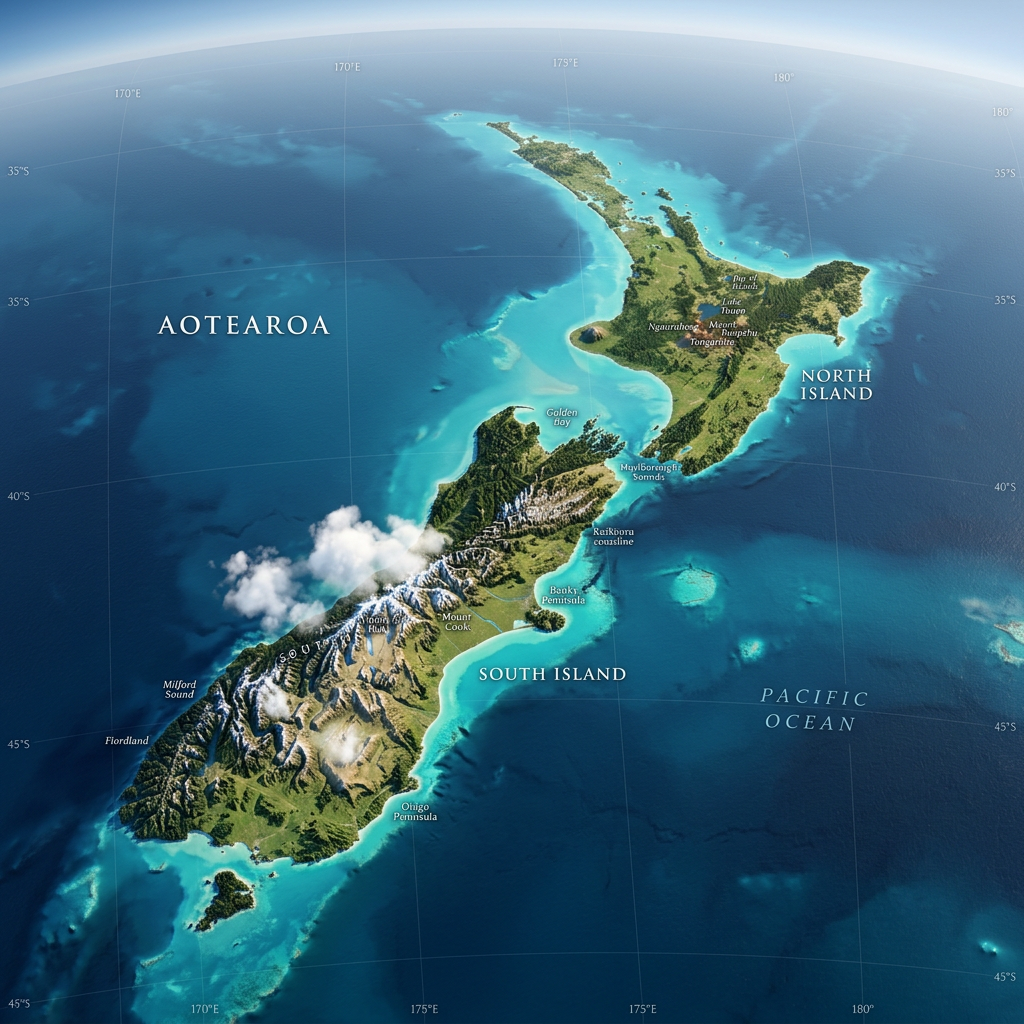
Aotearoa highlights Māori culture, hāngī cooking, and connections to nature. Additional foods include rewena bread and boil‑up; dances include kapa haka and poi. Aotearoa is also known for the haka, the Māori language (te reo), and having more sheep than people. Rugby is the national sport.
Cook Islands
Hello: Kia orana
The Cook Islands are known for their warm hospitality, drum‑driven dances, and foods like ika mata (coconut-marinated fish). Unique for their vibrant ura dancing, black pearls, and strong Polynesian cultural heritage.
Rapa Nui (Easter Island)
Hello: Iorana
Rapa Nui is famous for its moai statues, ancestral Polynesian culture, and dishes like tunu ahi (grilled fish). Unique for thebirdman traditions, rongorongo script, and one of the world’s most remote inhabited islands.